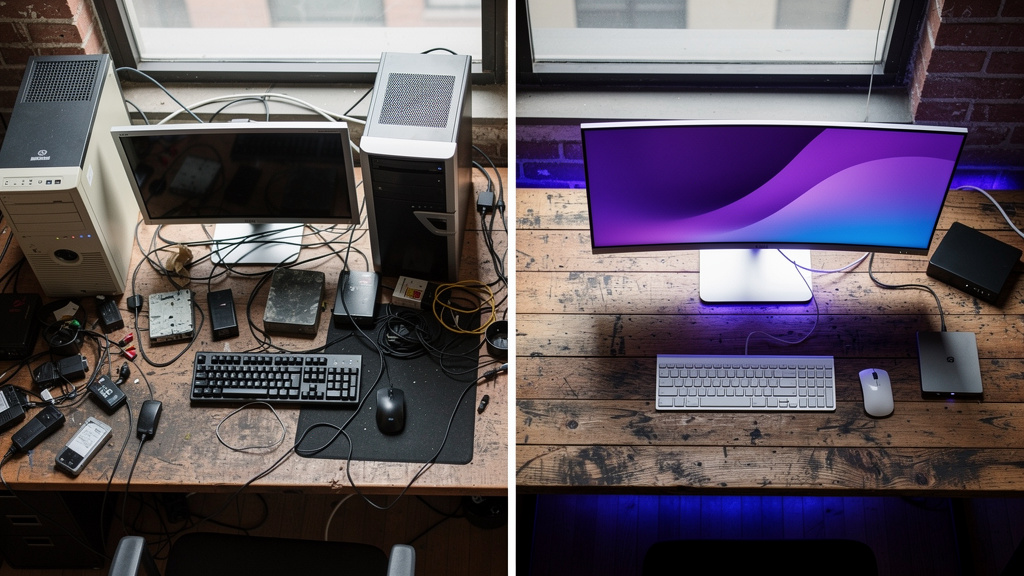
A direct-to-consumer apparel brand running on Adobe Commerce had hit a wall that every digital-native team eventually meets. Their Luma-based storefront looked fine, converted reasonably well, and ran on a properly tuned AWS stack. But Largest Contentful Paint had drifted past four seconds on mobile, Interaction to Next Paint was failing the Core Web Vitals threshold across half their traffic, and every new feature shipped pushed the JavaScript bundle further into the red. The team knew the platform was not the problem. The frontend architecture was. This is a composite case study drawn from real Hyva migration engagements, anonymized and combined to illustrate the technical pattern without identifying any single client.
The Pre-Migration Audit
Before recommending any migration, the engagement began with a four-week audit. Performance work without measurement is just opinion, and a frontend rebuild is too expensive to justify on a hunch. The audit covered four areas: Core Web Vitals across representative templates, JavaScript and CSS bundle composition, third-party tag impact, and the business-metric correlation that would determine whether a rebuild was worth funding.
The Core Web Vitals picture was ugly but not unusual for a mature Luma-based storefront. Mobile LCP averaged 4.1 seconds against the 2.5 second threshold. INP sat at 380 milliseconds against the 200 millisecond target. CLS was the only metric in the green at 0.08, mostly because the team had been disciplined about reserving image dimensions. The desktop numbers were better but still failing for roughly 30 percent of sessions.
Bundle analysis told the deeper story. The compiled JavaScript shipping to the browser on a category page was 1.4 megabytes uncompressed, with RequireJS, jQuery, Knockout, and a sprawl of Magento UI components doing most of the damage. CSS came in at 380 kilobytes, much of it unused on any given template. The team had layered third-party tags – analytics, personalization, A/B testing, customer support widgets – on top of an already heavy baseline. Removing tags helped marginally. The architecture itself was the ceiling.
The business-metric correlation made the case. A regression analysis across the previous twelve months showed that mobile sessions with LCP under 2.5 seconds converted at roughly 1.7 times the rate of sessions over 4 seconds. Bounce rate on slow sessions was 60 percent higher. The math on a frontend rebuild paid back inside seven months at projected performance levels. That is the conversation that gets a Hyva migration funded.
Why Hyva Over Headless
The team had considered going headless with a custom React or Next.js storefront. That path was rejected for specific reasons. A headless rebuild would have required maintaining two distinct applications, managing GraphQL schema drift, and rebuilding the admin-side preview workflow that the merchandising team depended on. The total cost was three to four times higher than a Hyva theme rebuild, and the performance gains over a properly built Hyva storefront were marginal for this brand’s traffic patterns and merchandising complexity.
Hyva replaces the entire frontend layer of Magento with a Tailwind CSS and Alpine.js stack, eliminates RequireJS and Knockout, and ships dramatically less JavaScript by default. For brands that want native Magento admin and the full Adobe Commerce feature set without the headless overhead, Hyva is the most practical performance path. Bemeir’s experience across Hyva engagements has consistently shown 3x to 5x improvements on mobile Core Web Vitals when the migration is done right.
The Migration Approach
The migration ran in three phases over fourteen weeks. Phase one was theme rebuild from scratch. Hyva is not a theme update. It replaces the frontend, so every template, every block, and every UI customization had to be rebuilt against the Hyva theme conventions. The team did not lift and shift. They used the rebuild as a forcing function to remove accumulated cruft – unused widgets, abandoned A/B test variants, deprecated promotional banners that no one had cleaned up.
Phase two was module compatibility. Magento extensions written for the Luma frontend often inject JavaScript or template overrides that break on Hyva. The audit had identified eighteen third-party modules in active use, of which eleven had official Hyva-compatible versions, four needed patching through the Hyva Compat Module pattern, and three had to be replaced or rebuilt as native Hyva modules. The compatibility audit happened before the rebuild started, not during, which is the difference between a clean migration and a chaotic one.
Phase three was data layer cleanup. The brand’s analytics and personalization tags depended on a dataLayer pushed from various points in the Luma frontend. Hyva’s GraphQL data layer required rewriting how that data was assembled and emitted. The team consolidated nine separate dataLayer push points into a single Alpine-driven emitter that produced cleaner, more consistent events for downstream tools.
Results
The performance numbers tell most of the story. The full picture, expressed in ranges from comparable engagements:
| Metric | Pre-Migration (Luma) | Post-Migration (Hyva) | Improvement |
|---|---|---|---|
| Mobile LCP (median) | 4.0-4.3s | 1.0-1.3s | ~3.5x faster |
| Mobile INP (median) | 350-400ms | 90-120ms | ~3.7x faster |
| Mobile CLS | 0.08-0.10 | 0.02-0.04 | ~3x better |
| JavaScript bundle (category page) | 1.3-1.5 MB | 280-350 KB | ~4x smaller |
| CSS payload (category page) | 350-400 KB | 60-90 KB | ~5x smaller |
| Time to Interactive (mobile) | 6.5-7.2s | 1.7-2.1s | ~3.5x faster |
| PageSpeed score (mobile) | 35-45 | 88-95 | doubled |
Business metrics followed performance. Mobile conversion rate improved by 15 to 22 percent over the first three months post-launch, with the largest gains on slower 4G connections where the performance differential mattered most. Bounce rate on mobile dropped by roughly 18 percent. Revenue per session was up double digits across most product categories. Organic search traffic showed gradual gains as Google’s Core Web Vitals signal caught up to the new performance profile, an effect the Web Almanac has documented across thousands of sites.
The non-performance gains were almost as valuable. Build times for the frontend dropped from forty minutes to under five. New developers ramped up faster because the Tailwind and Alpine stack is genuinely simpler than the Luma layered XML and Knockout pattern. The merchandising team kept the native Magento admin experience they were trained on. Nothing about the AWS infrastructure or backend architecture changed. The brand’s Adobe Commerce installation ran identically; only the storefront the customer saw was different.
What Made the Migration Succeed
Three decisions distinguished this engagement from the Hyva migrations that go sideways. First, the audit phase ran long enough to produce a real scope document. Hyva migrations that get scoped in two weeks consistently overrun. Four to six weeks of audit produces a credible plan and a credible budget. Second, the module compatibility work happened before any theme rebuild. Discovering during week ten of theme work that a critical module needs a from-scratch Hyva port is how projects miss launch dates. Third, the team treated the migration as an opportunity to clean up accumulated frontend technical debt rather than to preserve every existing element. Lift-and-shift Hyva migrations capture maybe 60 percent of the available performance gain. Rebuild-with-discipline migrations capture closer to 95 percent.
For digital pioneers running into Core Web Vitals walls on Adobe Commerce, the question is not whether to act but how to act with the lowest risk and the highest performance ceiling. Bemeir’s Hyva practice has run this migration pattern across apparel, food and beverage, and consumer electronics brands, and the curve is consistent. The teams that invest in audit-first scoping, module compatibility planning, and disciplined rebuild get the 4x results. The teams that try to shortcut any of those steps get a Hyva theme that is faster than Luma but never quite hits the numbers the original case justified.
The takeaway for technical leaders evaluating a frontend rebuild is straightforward. Magento performance limits on the Luma stack are real and getting worse with every JavaScript-heavy feature the platform adds. Hyva is the practical answer for most brands, and the engagement structure that delivers it reliably looks more like a structured architecture project than a theme refresh. The performance ceiling is high, but only the teams that respect the migration’s complexity reach it.